Blog

At Digital Flavor, we’re passionate about helping businesses harness the power of digital marketing to achieve their goals. Join us as we explore the latest trends, strategies, and technologies shaping the future of online marketing.

How to Choose the Right SEO Agency in India: A Comprehensive Checklist for Business Owners

How to choose SEO Agency In India

Last month, a friend who runs a boutique hotel in Jaipur called me, frustrated. He’d spent ₹45,000 monthly for eight months on an SEO agency that promised him “first-page rankings guaranteed.” The result? His website traffic actually dropped, and he later discovered they’d been buying spammy backlinks that got him a Google penalty.

Unfortunately, his story isn’t unique.

I’ve been working in digital marketing for over a decade, and I’ve seen businesses waste lakhs on agencies that either don’t deliver or, worse, damage their online presence. But I’ve also seen the right partnerships transform struggling businesses into thriving online brands.

The problem isn’t that good SEO agencies don’t exist in India—they absolutely do. It’s that the industry is flooded with everyone from legitimate experts to complete scam artists, all claiming to be “the best.” When you’re a business owner trying to grow your online presence, how do you tell the difference?

This guide is based on real conversations with business owners, years of working with various agencies, and honestly, some hard-learned lessons. Let’s talk about what actually matters when choosing an SEO partner.

Let’s Talk About Money First (Because Everyone’s Thinking It)

Before we dive into checklists, let’s address the elephant in the room: cost.

I’ve seen business owners make two common mistakes. The first group thinks SEO should cost ₹5,000 a month because, well, “it’s just keywords, right?” The second group assumes that paying ₹1,50,000 monthly guarantees results because expensive must mean better.

Both are wrong.

Here’s what you’ll typically see in India right now:

For local businesses (like a restaurant, plumber, electrician, clinic, or retail store targeting one city), you’re looking at ₹15,000 to ₹30,000 monthly. This should get you solid local SEO work—Google Business Profile optimization, local citations, targeted content, and basic link building.

For businesses targeting multiple cities or nationwide, expect ₹30,000 to ₹75,000 monthly. At this level, you’re getting more comprehensive content strategies, technical SEO, competitive link building, and deeper keyword targeting.

For e-commerce or highly competitive industries (think finance, insurance, legal), budgets often run from ₹75,000 to ₹2,00,000+ monthly. These industries are cutthroat online, and ranking requires serious resources.

Now, I know what you’re thinking: “That’s a huge range!” Yes, because SEO isn’t a fixed product. A 20-page website for a local business needs far less work than a 500-page e-commerce site competing nationally.

Here’s my rule of thumb: If someone quotes you below ₹10,000 monthly for anything beyond the most basic local SEO, be skeptical. Quality SEO requires skilled people, expensive tools (Ahrefs alone costs thousands monthly), and significant time investment. The math just doesn’t work at rock-bottom prices.

The Real Checklist: What Actually Matters

Forget the generic “check their portfolio” advice you see everywhere. Let’s get specific about what separates good agencies from pretenders.

1. Can They Rank Their Own Website?

I always find it amusing when an SEO agency’s website ranks on page 3 for “SEO agency India” or “SEO agency in [their city].” If they can’t rank their own site, why would they be able to rank yours?

Do this simple test: Open an incognito browser window and search for “ Indore SEO agency” or “SEO company in Indore.” See who shows up on page one. These are the agencies that actually walk the talk.

But here’s the thing—don’t just check rankings. Look at their blog. Is it active? Is the content actually useful or just keyword-stuffed garbage? Check their Google Business Profile reviews. Real clients leave real reviews.

2. The “Secret Sauce” Red Flag

I once sat through a presentation where an agency representative kept mentioning their “proprietary algorithm” and “secret techniques” that would “hack Google’s system.”

Run. Just run.

Here’s the truth: There are no secrets in SEO. Google’s guidelines are public. Best practices are well-documented. What separates good agencies from bad ones isn’t secret knowledge—it’s consistent execution, strategic thinking, and staying updated with changes.

When you talk to an agency, they should be able to explain exactly what they’ll do for you in plain English. Things like:

“We’ll audit your site’s technical issues, fix your page speed problems, create content targeting these specific keywords your competitors rank for, and build relationships with industry publications for quality backlinks.”

If they’re vague, evasive, or hide behind jargon, that’s a problem.

3. The Case Study Test

Ask for three case studies from businesses similar to yours. Not just testimonials—actual case studies with numbers.

But here’s what most people miss: Don’t just look at the wins. Ask about the timeline. SEO takes time, and any agency showing massive results in 6-8 weeks is either lying or using tactics that will eventually backfire.

Real results look something like this:

  • Months 1-2: Initial improvements from fixing obvious issues
  • Months 3-4: Gradual ranking improvements and traffic uptick
  • Months 6+: More significant, sustainable growth

One agency I respect showed me a case study where traffic actually dipped initially because they removed spammy backlinks left by the client’s previous agency. That’s honesty. That’s what you want.

Also, call those references. Actually pick up the phone. Ask them: “Did this agency meet deadlines? How’s their communication? If you had an issue, how did they handle it?”

4. The Contract Conversation

This is where things get interesting. I’ve seen contracts ranging from “we’ll try our best” to 50-page legal documents nobody reads.

Here’s what matters:

Lock-in periods: Be wary of agencies demanding 12-month contracts upfront with no trial period. SEO does require patience, but if an agency is confident in their work, they should be comfortable with a 3-6 month initial commitment with exit clauses.

What’s actually included: Make sure it’s spelled out. How many blog posts per month? How many backlinks? What technical work? Vague promises of “ongoing optimization” aren’t enough.

Who owns what: This is crucial. The content they create, the backlinks they build—you need to own these. I’ve seen businesses get held hostage where agencies threatened to remove backlinks if the contract ended.

Reporting clarity: You should get monthly reports that show traffic, rankings, conversions, and the actual work done. Not just automated rank tracking reports—actual insights into what’s working and what’s not.

5. Understanding Their Link Building Approach

This is where many agencies either make you or break you.

Google’s been clear for years: bought links, link schemes, and spammy tactics will eventually get you penalized. Yet many agencies still do it because it’s cheaper and shows quick results.

Ask them directly: “How do you build backlinks?”

Good answers include:

  • “We create linkable assets like research, tools, or comprehensive guides, then do outreach to relevant sites”
  • “We work with journalists and publications in your industry for digital PR”
  • “We find broken links on authority sites and offer your content as a replacement”
  • “We identify unlinked mentions of your brand and request proper attribution”

Bad answers include:

  • “We have relationships with thousands of websites” (translation: they buy links)
  • “We use private blog networks” (red flag!)
  • “We’ll get you 500 backlinks in the first month” (quality over quantity)
  • Being vague or changing the subject

Here’s a personal story: A client once came to us after their previous agency built 1,200 backlinks in two months. Sounds great, right? Wrong. They were all from irrelevant, low-quality sites. We spent six months cleaning up that mess and disavowing bad links before we could start building properly. The “quick wins” set them back half a year.

6. The Questions They Ask You Matter More Than You Think

Want to know if an agency is good? Pay attention to their questions during the sales call.

Bad agencies ask: “What’s your budget? How many keywords do you want to rank for? When do you want to be on page one?”

Good agencies ask: “What are your business goals? Who’s your target customer? What does a valuable lead or sale look like for you? What’s your current conversion rate? Who are your main competitors? What makes your offering different?”

See the difference? One is focused on SEO metrics in a vacuum. The other is trying to understand your business so they can create a strategy that actually drives revenue, not just vanity metrics.

I remember talking to one agency that spent 30 minutes asking about our client’s customers before even mentioning SEO tactics. That’s the level of business understanding you want.

7. The Technical Stuff They Should Talk About

You don’t need to be technical to judge an agency’s technical capabilities. Just listen for these topics to come up:

Site speed: They should mention Core Web Vitals, page load times, and mobile performance. In 2025, this isn’t optional—it’s a ranking factor.

Mobile optimization: If they don’t mention mobile-first indexing, that’s a red flag. More than 60% of searches happen on mobile devices in India.

Website structure: They should audit how your site is organized, internal linking, URL structure, and navigation.

Structured data: This is the code that helps Google understand your content better. Good agencies implement schema markup for things like products, reviews, local business information, and FAQs.

If an agency only talks about “keywords and backlinks,” they’re stuck in 2010.

8. The Content Conversation

Content is where SEO lives or dies, yet it’s often an afterthought in proposals.

Ask them: “What’s your content strategy?”

Red flag answers:

  • “We’ll write 4 blog posts a month with your keywords”
  • “We’ll spin content from other sites”
  • “We outsource content to cheap writers”

Good answers:

  • “We’ll research what your target audience is actually searching for and create content that answers their questions”
  • “We’ll identify content gaps where your competitors are winning and target those”
  • “We’ll update and optimize your existing content that’s almost ranking”
  • “We’ll create different content types—educational blogs, comparison pages, case studies—based on where people are in the buying journey”

One thing I’ve learned: Agencies that have in-house writers, or at least editors who review everything, produce better content than those outsourcing to the lowest bidder.

9. Communication Style Matters More Than You’d Think

You’re going to work with these people for months, possibly years. If communication feels off during the sales process, it won’t magically improve later.

Things to watch for:

Response time: Do they reply within 24-48 hours, or do you chase them for days?

Clarity: Do they explain things clearly, or do they bombard you with jargon to sound smart?

Honesty: When you ask tough questions, do they give straight answers or dodge?

Teaching approach: Do they help you understand SEO, or keep it mysterious so you stay dependent?

I’ve seen business owners stick with mediocre agencies because switching felt overwhelming. Choose someone you can actually work with comfortably.

10. What They Say About Timeline and Results

This one’s simple. If anyone guarantees:

  • #1 rankings for competitive keywords
  • Page one results in 4-6 weeks
  • Specific traffic numbers

They’re lying. SEO doesn’t work that way. Google’s algorithm is complex, competitive landscapes change, and there are hundreds of ranking factors.

Honest agencies will say something like: “Based on your competition and current site state, we typically see initial improvements in 2-3 months, with more significant results around the 6-month mark. We’ve seen similar businesses reach X traffic levels within 12 months, but every situation is different.”

See the difference? Realistic expectations based on experience, not false promises.

The Red Flags Nobody Talks About

Beyond the obvious scams, here are some subtler warning signs I’ve learned to spot:

High employee turnover: If you meet different account managers every few months, something’s wrong internally. Consistency matters in SEO.

Outdated blog: If their own blog hasn’t been updated in a year, how current is their SEO knowledge?

Copy-paste proposals: You can tell when an agency just fills in your business name on a template. Good agencies create custom strategies.

Obsession with rankings only: Rankings are great, but if they don’t talk about traffic, conversions, and ROI, they’re missing the point.

Refusal to grant access: You should always have admin access to your Google Analytics, Search Console, and any tools they use for your account. If they resist this, major red flag.

No mention of competition: Good agencies analyze what your competitors are doing and create strategies to outmaneuver them.

Agency vs. Freelancer: A Real Conversation

I get asked this a lot: “Should I hire an agency or a freelancer?”

Here’s my honest take after working with both:

Freelancers make sense when:

  • Your budget is tight (₹15,000-₹25,000 monthly)
  • Your website is relatively simple
  • You need specific expertise (like just technical SEO or just content)
  • You value direct communication with the person doing the work
  • You’re okay with potentially less backup if they get sick or busy

Agencies make sense when:

  • You need comprehensive strategy across multiple channels
  • Your website is complex or large
  • You’re in a competitive industry
  • You want backup resources and diverse expertise
  • You need consistent output even when individual team members are unavailable

The freelancer vs. agency debate isn’t about which is “better”—it’s about what fits your situation. I’ve seen excellent freelancers and terrible agencies, and vice versa.

One consideration though: Freelancers can disappear. I’ve had friends get burned when their freelancer took another full-time job and ghosted them mid-campaign. Agencies have more accountability.

The Questions You Should Ask (And Why)

When you’re talking to potential agencies, here are the questions that reveal the most:

“Can you walk me through a successful campaign you ran for a business similar to mine?” This shows their experience and whether they understand your industry.

“What happened in a campaign that didn’t go as planned?” Everyone has setbacks. How they handle problems tells you everything.

“How do you stay updated with SEO changes?” Google makes thousands of updates yearly. Good agencies have systems to stay current.

“What tools do you use, and can I have access?” They should mention tools like Google Analytics, Search Console, Ahrefs/SEMrush, and be willing to grant you access.

“Who will actually work on my account?” Meet the team, not just the salesperson. These are the people you’ll interact with.

“What do you need from us to be successful?” SEO isn’t set-and-forget. They’ll need your input, content review, and access to subject matter experts.

“How do you measure success?” If they only talk about rankings, probe deeper. Traffic? Leads? Sales? What metrics actually matter?

Making the Final Decision

After talking to 3-4 agencies, you’ll probably have a favorite. But before signing anything, do this:

Sleep on it. Good agencies won’t pressure you to decide immediately. If they’re pushing hard, that’s a red flag.

Check everything they said. Visit those case study websites. Call those references. Google their agency name plus “review” or “complaint.”

Review the contract carefully. Have someone else read it too. Make sure the deliverables, costs, and exit terms are clear.

Trust your gut. If something feels off, it probably is. You’re entering a long-term relationship—comfort and trust matter.

What Success Actually Looks Like

Let me paint you a picture of what working with a good agency feels like:

Month one, they audit everything and show you the roadmap. Month two, you see fixes being implemented and content starting to publish. Month three, you’re getting regular updates and starting to see small improvements.

By month six, you’re seeing real traffic growth and leads coming through organic search. By month twelve, SEO is a significant revenue channel for your business.

But here’s the key: Throughout this time, you understand what’s happening. You’re not in the dark. You can see the value being created.

That’s what you’re paying for—not magic tricks or empty promises, but strategic, consistent work that builds your online presence month after month.

Final Thoughts

Choosing an SEO agency isn’t about finding the cheapest option or the one with the fanciest website. It’s about finding a partner who understands your business, communicates clearly, uses ethical tactics, and has proven they can deliver results.

Yes, it takes time to vet agencies properly. But investing a few weeks in finding the right partner can save you months of wasted money and frustration, not to mention protecting your online reputation.

The Indian SEO industry has some genuinely world-class talent. Companies around the globe hire Indian agencies because of the combination of expertise and value. You just need to know how to separate the professionals from the pretenders.

Take your time. Ask tough questions. Check references. Read contracts carefully. And remember: If something sounds too good to be true, it probably is.

Your business deserves a partner who’ll help you grow sustainably, not one who’ll take shortcuts that might work briefly but ultimately cause more harm than good.

Good luck with your search. Choose wisely.

Need help evaluating SEO proposals or want an honest audit of your current strategy? Digital Flavour: Best Digital Marketing agency is always happy to chat—no pushy sales pitches, just straight talk about what will actually work for your business.

Author

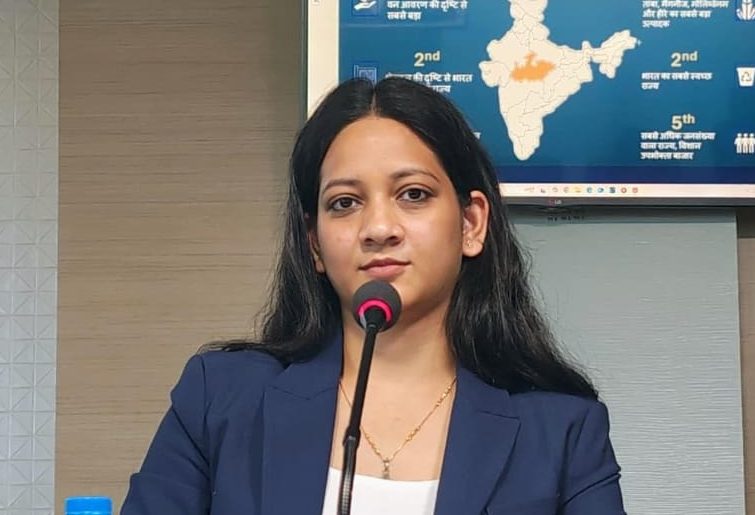
  • Ragini Neema is the founder & CEO of Digital Flavour, Indore’s leading digital marketing agency helping startups and businesses scale into powerful brands. With expertise in SEO, Social media marketing, paid advertising, and Web development, has positioned Digital Flavour as a trusted growth partner for companies that aim to go big. Recognized as a digital marketing expert, Ragini blends strategy, creativity, and innovation to deliver measurable results in today’s competitive online world.  

Leave a Reply

Your email address will not be published. Required fields are marked *

× How can I help you?